
Fitness Bicycle Is The Next Hot Thing In Fitness Bicycle by Lottie
0 Course Enrolled • 0 Course CompletedBiography
The Ultimate Guide to the Fitness Bicycle: Transforming Your Health Two Wheels at a Time
In the modern-day quest for health and vitality, finding an exercise regimen that is both reliable and enjoyable can be a difficulty. Get in the physical fitness bicycle-- a versatile, high-performing tool that has reinvented cardiovascular and strength training. Whether navigating rugged outside routes or pedaling in the convenience of an air-conditioned living room, a physical fitness bicycle provides an unrivaled pathway to much better health.
This extensive guide checks out the world of fitness bikes, detailing their advantages, the different types readily available, how to pick the right one, and pointers for optimizing exercises.
What is a Fitness Bicycle?
A fitness bicycle is particularly engineered for exercise, conditioning, and recreational health riding, instead of purely for commuting or competitive racing. These bikes bridge the space between high-speed road bikes and heavy mountain bicycle. They generally include lightweight frames, upright or semi-upright riding positions, and effective gear systems designed to raise the heart rate while ensuring rider convenience.
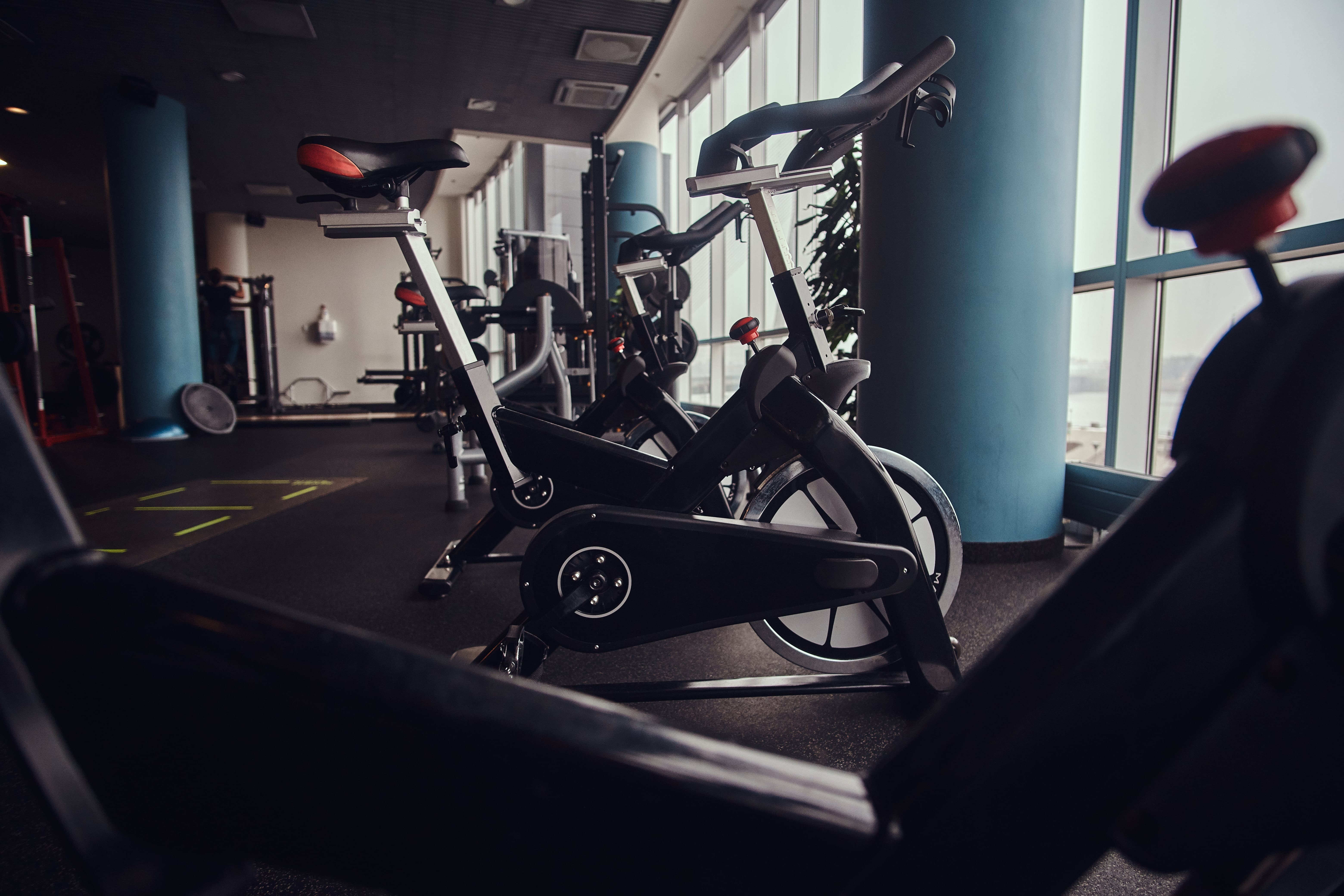
Physical fitness bicycles generally fall into 2 main classifications: outdoor fitness bikes (often called hybrid or flat-bar roadway bikes) and indoor physical fitness bikes (stationary bikes used for home fitness centers and spinning classes).
The Benefits of Riding a Fitness Bicycle
Investing time in a fitness bicycle yields a myriad of physical and psychological health advantages. Since biking is a low-impact activity, it is ideal for a vast array of ages and physical fitness levels.
1. Cardiovascular Endurance
Regular cycling gets the heart pumping, improves circulation, and strengthens the lungs. With time, this reduces resting heart rates, lowers high blood pressure, and considerably decreases the risk of heart disease.
2. Lower Body Strength and Tone
Pedaling engages almost every significant muscle group in the lower body. Riders develop strength and endurance in their:
- Quadriceps (front of thighs)
- Hamstrings (back of thighs)
- Glutes (buttocks)
- Calves (lower legs)
3. Joint-Friendly Exercise
Unlike running or high-intensity period training (HIIT), biking is a non-weight-bearing exercise. The continuous, circular movement of pedaling places minimal stress on the knees, ankles, and hips, making it ideal for people recuperating from injuries or managing joint tightness.
4. Mental Health and Stress Relief
The rhythmic nature of pedaling, integrated with the release of endorphins (the body's natural "feel-good" chemicals), helps in reducing stress and anxiety and combat depression. Outdoor cycling likewise supplies the added advantage of fresh air and a connection to nature.
Kinds Of Fitness Bicycles: A Comparison
Picking the ideal bike depends completely on where and how one plans to ride. The table below outlines the main types of fitness bikes readily available today.
| Type of Bike | Finest Used For | Key Features | Primary Benefits |
|---|---|---|---|
| Hybrid/ Fitness Bike | Paved roadways, light gravel paths, travelling. | Flat handlebars, medium-width tires, comfy geometry. | Adaptability, upright posture, stability. |
| Flat-Bar Road Bike | Fast-paced fitness trips on paved surfaces. | Light-weight frame, skinny tires, aggressive tailoring. | Speed, efficiency, lightweight handling. |
| Upright Stationary Bike | Indoor home fitness centers, casual indoor cardio. | Traditional saddle, upright posture, back assistance (on some designs). | Convenience, simple installing, joint-friendly. |
| Indoor Spin/ Studio Bike | High-intensity period training (HIIT), indoor cycling classes. | Heavy flywheel, adjustable resistance, forward-leaning posture. | High calorie burn, replicates genuine road cycling. |
Secret Features to Look For When Buying
When looking for a physical fitness bicycle, particular elements deserve cautious factor to consider to make sure the bike fulfills individual physical fitness objectives.
- Frame Material: Aluminum frames are light-weight, rust-resistant, and budget-friendly. Carbon fiber is lighter and takes in roadway vibrations better, however it comes at a higher cost point. Steel offers durability and a smooth trip, though it tends to be heavier.
- Gear System: More gears do not always suggest a better exercise, however they do offer flexibility. A broad gear range helps riders dominate high hills and keep a constant cadence on flat terrain.
- Saddle Comfort: A proper saddle can make or break a workout. Fitness bikes normally include firmer, narrower saddles designed for pedaling performance, while indoor bikes might use wider, more cushioned seats.
- Resistance Mechanism (Indoor Bikes): Stationary bicycle Exercise bikes utilize either friction pads or magnetic resistance. Magnetic resistance is generally chosen since it runs silently and needs virtually no upkeep.
Taking Full Advantage Of Fitness Bicycle Workouts
Just hopping on a bike and pedaling casually is a great start, however structuring workouts can speed up progress. Here are 3 efficient methods to incorporate into a biking regimen:
- Interval Training (HIIT): Alternate between high-intensity sprints (pedaling as quick or difficult as possible for 30 to 60 seconds) and active recovery (pedaling gradually for 90 seconds). This enhances metabolic process and burns fat effectively.
- Long, Steady-State Rides: Maintain a moderate, conversational rate for 45 to 90 minutes. This constructs endurance, enhances the cardiovascular system, and burns stored fat.
- Hill Repeats: Whether outdoors or on an indoor stationary bicycle with adjustable incline/resistance, mimic hill climbs to build explosive leg power and core strength.
Security and Maintenance Tips
To guarantee a safe and long-lasting cycling experience, keep the following best practices in mind:
- Prioritize Safety Gear: Always use an effectively fitted helmet when riding outdoors. Think about reflective clothing and lights if riding in low-light conditions.
- Check the Fit: Ensure the saddle height is proper. When the pedal is at the bottom of the stroke, the rider's leg ought to have a slight bend at the knee (about 25-30 degrees). Incorrect seat height can lead to knee discomfort.
- Routine Maintenance: Keep tires effectively inflated, chain lubricated, and brakes working properly. For indoor bikes, wipe down sweat after every session to avoid deterioration.
The physical fitness bicycle is more than simply a piece of sports equipment; it is an entrance to a much healthier, more active lifestyle. Whether taking pleasure in the scenic routes of the area on an outside hybrid bike or pushing personal limits on an indoor spin bike, the physical and psychological benefits are extensive. By selecting the best bike, focusing on security, and devoting to a constant routine, anyone can transform their health-- one pedal stroke at a time.
https://www.exercisebikesonline.uk/